Recognizing Wastewater Treatment Processes and Their Ecological Impact
The intricacies of wastewater treatment processes play a critical function in mitigating environmental difficulties connected with water air pollution. Each phase, from initial to innovative therapies, is designed to resolve details impurities, ultimately protecting both public wellness and marine ecological communities.
Summary of Wastewater Treatment
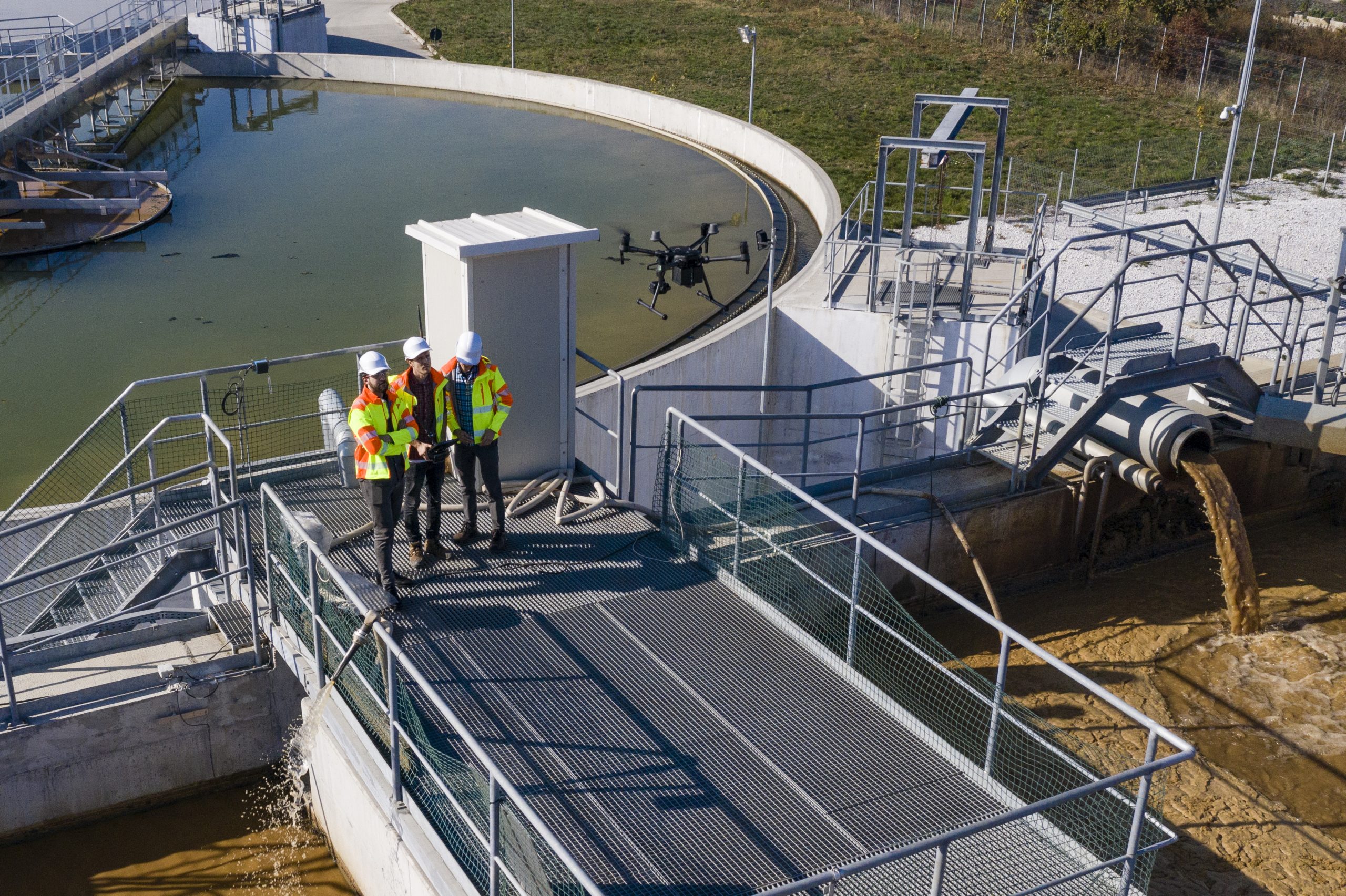
Just how is wastewater changed right into a risk-free resource for the setting? Wastewater therapy is an essential procedure developed to remove contaminants from made use of water, consequently protecting public health and protecting environments. This procedure starts with the collection of wastewater from domestic, industrial, and business sources, which is after that guided to treatment centers.
At these facilities, numerous physical, chemical, and biological approaches are employed to deal with the wastewater. Consequently, organic treatments, such as turned on sludge processes, use microorganisms to break down natural matter.
The treated effluent can be securely discharged into all-natural water bodies or reused for irrigation and commercial purposes, advertising source conservation. Furthermore, the therapy process creates biosolids, which can be repurposed as fertilizers or dirt amendments, even more boosting sustainability.
Stages of Treatment Procedures
The wastewater treatment procedure normally consists of 3 primary phases: preliminary, key, and secondary therapy. Each stage offers a distinct function in lowering the pollutant lots and making sure the effluent fulfills environmental requirements before discharge.

The main therapy phase focuses on the physical separation of put on hold solids from the wastewater. Via sedimentation, larger particles work out at the end of sedimentation containers, forming sludge, while lighter products, such as oils and greases, float to the surface and are skimmed. This process significantly minimizes the natural and not natural lots in the wastewater.
Additional treatment is an organic process intended at additional reducing the focus of organic matter. This phase is vital for achieving the essential biochemical oxygen demand (BOD) decrease, eventually leading to cleaner effluent ready for discharge or more treatment.
Advanced Therapy Technologies
Following the second treatment procedures, advanced therapy technologies play an essential function in more improving the top quality of treated wastewater. These modern technologies are created to remove recurring pollutants that are not properly gotten rid of throughout main and additional treatments, making certain the effluent satisfies strict governing standards.
Among the extensively utilized innovative treatment techniques are membrane layer filtration, reverse osmosis, and progressed oxidation processes. Membrane purification, consisting of microfiltration and ultrafiltration, works in separating great particles, microorganisms, and colloids from the water (Wastewater). Reverse osmosis makes use of semi-permeable membranes to eliminate liquified solids, causing top notch water ideal for various applications
Advanced oxidation processes (AOPs) use solid oxidants to degrade organic toxins, including pharmaceuticals and personal treatment items that are immune to standard treatment. These methods improve the biodegradability of intricate substances, promoting their elimination.
An additional significant technology is the use of biological nutrient removal processes, which particularly target nitrogen and phosphorus, preventing eutrophication in receiving water bodies. In general, sophisticated therapy modern technologies are crucial for achieving higher levels of purification, promoting water reuse, and safeguarding public health while dealing with the difficulties connected with wastewater administration.
Environmental Benefits of Treatment
Various environmental benefits arise from effective wastewater treatment procedures that add to ecosystem wellness and sustainability. Largely, these procedures dramatically reduce the launch of harmful pollutants into informative post all-natural water bodies, which helps preserve aquatic ecosystems. By getting rid of impurities such as hefty steels, nutrients, and pathogens, treated wastewater minimizes the threat of waterborne diseases and advertises biodiversity in marine settings.
Moreover, wastewater therapy centers commonly utilize sophisticated modern technologies that allow water recycling and reuse. This practice not just saves freshwater sources but additionally minimizes the demand on all-natural water supplies. Boosted nutrient removal from wastewater can additionally stop eutrophication, a process that brings about algal blooms and succeeding oxygen exhaustion in marine systems.
Furthermore, reliable treatment procedures can reduce greenhouse gas exhausts, especially methane and laughing gas, which are typically launched during untreated wastewater decay. By recording and using biogas from anaerobic digesters, centers can convert waste into eco-friendly energy, therefore adding to a decrease in fossil gas reliance.
Obstacles and Future Trends
While the environmental advantages of wastewater treatment are clear, a number of obstacles persist that impede optimum outcomes in this field. One significant concern is aging facilities, which usually leads to ineffectiveness and increased operational expenses - Wastewater. Several treatment plants were developed years earlier, and their capacities do not align with contemporary needs, which consist of more stringent regulatory requirements and higher quantities of wastewater as a result of urbanization

Looking ahead, there is a growing emphasis on resource recovery and circular economic situation concepts within wastewater therapy. Advancements such as anaerobic food this link digestion, which can create biogas, and progressed purification modern technologies are obtaining grip. These approaches not only boost therapy effectiveness however also promote sustainability.
Inevitably, addressing these obstacles needs collaboration among stakeholders, financial investment in innovation, and a commitment to recurring research study. By embracing these fads, the wastewater therapy sector can advance to satisfy the needs of an altering environment and culture.
Final Thought
Finally, wastewater treatment processes play a vital function in enhancing ecological high quality and public health and wellness. The multi-stage treatment structure, paired with advanced innovations, successfully mitigates contamination and promotes sustainable water management. By resolving residual pollutants and lessening nutrition overflow, these processes contribute to the preservation of water environments and the decrease of greenhouse gas emissions. Continued developments and adjustments in therapy methods will be important for getting rid of arising obstacles and guaranteeing the sustainability of helpful resources natural deposits (Wastewater).